National
Nigerian Army Dismisses ‘Soja Boy’ Over Viral Video, Policy Breaches

By Micheal Chukwuebuka
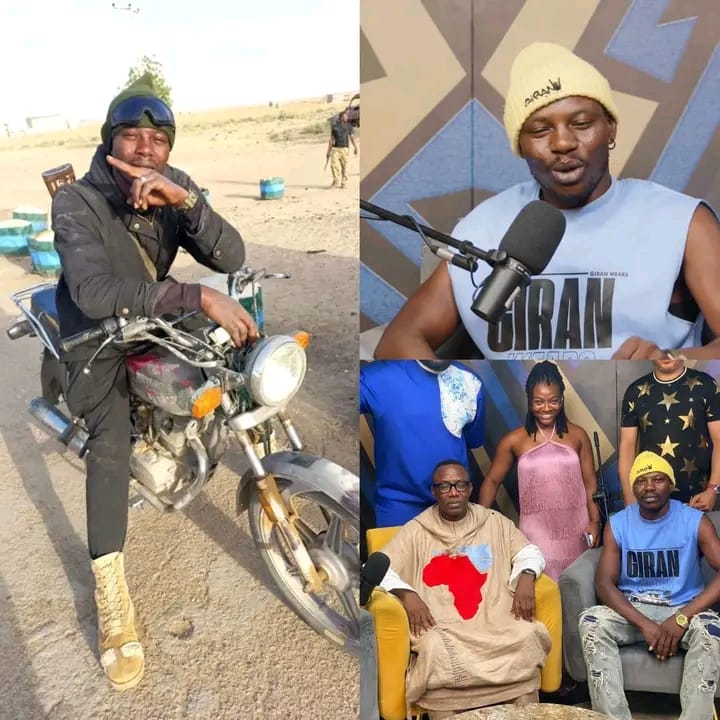
The Nigerian Army has officially dismissed Lance Corporal Rotimi Olamilekan, widely known as “Soja Boy” or “Soja Boi,” following a series of disciplinary violations and a viral video that sparked nationwide debate.
Olamilekan, who served for approximately eight years with the 81 Division Task Force Battalion in Borno State, first gained public attention after posting a controversial video in which he challenged politicians, governors, and senators to send their own children to the frontlines to fight insurgency and banditry. His remarks resonated with many Nigerians and quickly went viral across social media platforms.
According to military authorities, his dismissal was not based on his criticism of political leaders, but rather on repeated acts of indiscipline and violations of the Army’s social media regulations. The Army stated that due process was followed under the Armed Forces Act before the decision was reached.
Officials listed several infractions, including unauthorized media appearances, commercialization of his military identity, production of partisan content, and misuse of military uniform. The Army emphasized that discipline and adherence to established codes remain fundamental requirements for all serving personnel.
In a recent podcast interview, Olamilekan shared details about his experience in the military, alleging that many soldiers earn between ₦109,000 and ₦111,000 monthly after a recent pay adjustment, up from about ₦51,000.
He also claimed that some personnel are forced to purchase their own uniforms, boots, and protective gear due to inadequate supply, raising concerns about welfare and conditions in military barracks.
However, the Nigerian Army has strongly denied these claims, describing them as “false and misleading.” The institution reiterated its commitment to the welfare of troops, stating that soldiers are adequately provided for in terms of salaries, allowances, and operational equipment.
Since his dismissal, Olamilekan has remained active online, posting videos to explain his stance and defend his actions. He has appealed to the Army to reconsider his dismissal and convert it to a formal discharge, which would allow him access to certain benefits. Despite the controversy, he maintains that he has no regrets about speaking out on issues affecting ordinary soldiers.
The development has triggered widespread reactions among Nigerians. While many have pra!sed the former soldier for highlighting perceived inequalities within the system, others insist that members of the armed forces must strictly adhere to discipline and institutional regulations regardless of personal views.
The case continues to fuel conversations around military welfare, freedom of expression, and the balance between discipline and accountability within Nigeria’s armed forces.