National
Ayakoromo Bridge Sabotage: A Setback that must not define us

Protecting Shared Prosperity Through Unity, Accountability, and Responsible Leadership
By Engr. Yeigagha Henry JP
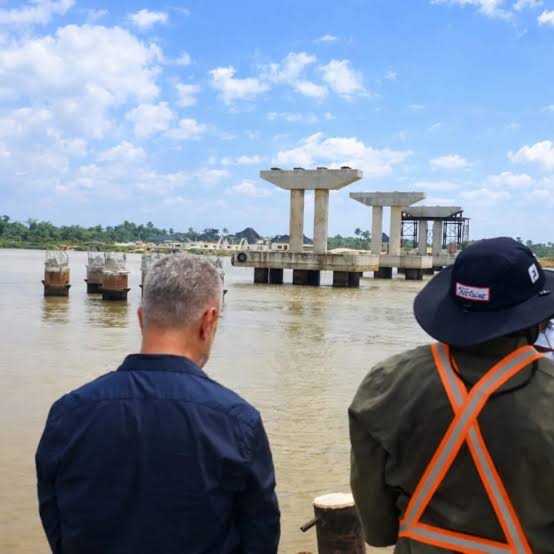
The recent destruction of critical components at the Ayakoromo Bridge project marks a troubling and deeply unfortunate turn in what had been a symbol of progress and cooperation between Ayakoromo community and Egbo-Ideh community. What was once a shining example of development-driven unity has now been overshadowed by allegations of sabotage and criminal interference.
This bridge is not just another infrastructure project; it is an economic lifeline. For both Ayakoromo and Egbo-Ideh, it promises to unlock trade routes, facilitate the movement of agricultural produce, reduce the burden of transportation, and open up rural economies to wider markets. It is a gateway to improved access to healthcare, education, and employment opportunities. In practical terms, the bridge represents hope: hope for faster growth, better livelihoods, and a more connected future.
It is therefore disheartening that such a transformative project has been disrupted by acts reportedly linked to some youths from Egbo-Ideh. While investigations continue and due process must be respected, this incident raises serious concerns about the dangers of internal sabotage and the consequences of unresolved grievances within host communities.
The decision by Setraco Nigeria Limited to suspend work underscores the severity of the situation. At a time when construction had reached an impressive pace; with coordinated teams handling abutments and molding works on the Egbo-Ideh axis, pillar installations within the river, and road development on the Ayakoromo flank; the project was on track to meet an ambitious completion target of May 29, 2027. That momentum has now been jeopardized.
Going forward, it is imperative that the company does not only focus on reconstruction but also on prevention. A robust and well-coordinated security architecture must be immediately deployed at the project site. This should include a combination of trained security personnel, community-based surveillance, controlled access points, and, where necessary, collaboration with state security agencies. Visible and effective security presence will serve as both a deterrent and a reassurance that such acts of vandalism will not reoccur.
Leadership must rise to the occasion. The Chairmen of Burutu Local Government Area and Ughelli South Local Government Area cannot afford to treat this as a routine disturbance. A coordinated intervention is required: one that prioritizes peacebuilding, ensures adequate security, and restores confidence among contractors and stakeholders.
Equally important is the role of community leadership. Elders, youth leaders, and community chairmen in both Ayakoromo and Egbo-Ideh must urgently convene, interrogate the root causes of this development, and address any underlying tensions. Whether the issues stem from employment concerns, perceived exclusion, or communication breakdowns, they must be resolved through dialogue; not destruction.
Additionally, the two traditional Kings of the respective communities must meet promptly to chart a lasting solution. Their wisdom, authority, and influence are crucial in restoring trust, mediating conflicts, and fostering a shared sense of responsibility among the youths and wider community members. A united traditional leadership front can prevent future disruptions and reinforce the importance of communal harmony.
To the suspected youths of Egbo-Ideh community, the message is clear: actions that undermine development ultimately harm the very community you seek to represent. Destruction of public infrastructure does not create opportunities; it destroys them. It delays progress, discourages investment, and deepens hardship. Lawfulness, engagement, and constructive participation remain the only sustainable paths to inclusion and empowerment.
The Ayakoromo Bridge must not become a casualty of avoidable conflict. It must instead stand as a renewed commitment to unity, accountability, and shared destiny. The time to act is now: for government, for community leaders, for traditional authorities, and for the people themselves.
Development must be protected. Progress must be defended. And above all, the bridge must be completed; for the benefit of all.