National
Blood for Wealth: The Otokoto Killings That Shook Owerri

By Micheal Chukwuebuka
In September 1996, the city of Owerri was plunged into turmoil by a case that would expose deep-seated fears about ritual killings and unexplained wealth, leaving an enduring scar on Nigeria’s collective memory.
The crisis began with the disappearance of 11-year-old groundnut hawker, Anthony Ikechukwu Okoronkwo, who left home on 19 September 1996 to sell his wares and never returned.
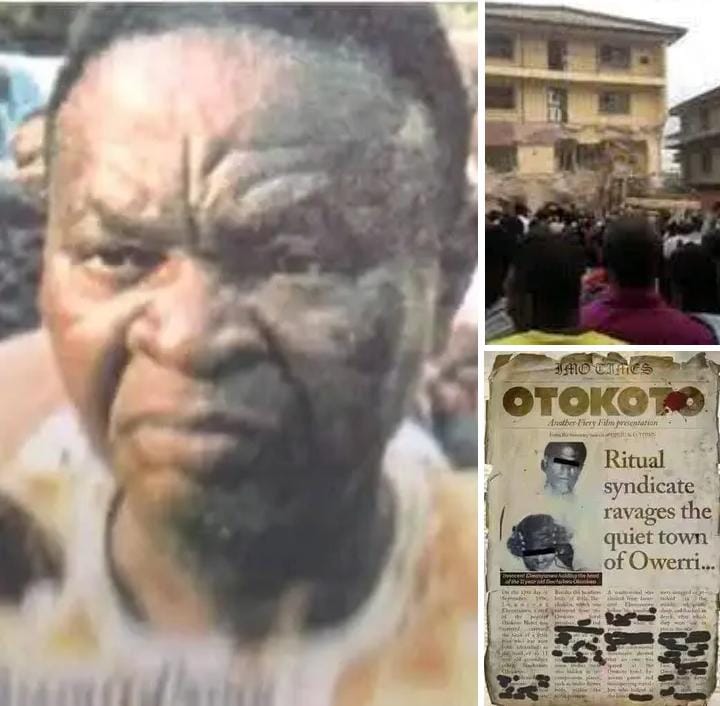
Days later, investigations revealed that the boy had been lured into Otokoto Hotel in the Amakohia area of Owerri by a man later identified as Innocent Ekeanyanwu, where he was killed for alleged ritual purposes.
The crime came to light after a commercial motorcyclist noticed blood seeping from a bag Ekeanyanwu was carrying and promptly alerted the police.
The discovery sent shockwaves through Owerri and ignited widespread anger.
Public outrage intensified after images connected to the case were broadcast on television.
On 24 and 25 September that same year, thousands of residents poured onto the streets in protest. Otokoto Hotel was razed, while properties linked—rightly or wrongly—to sudden wealth and alleged ritual practices were attacked.
For many, the demonstrations went beyond the killing of one child, reflecting years of anxiety over unexplained disappearances and a perception that powerful individuals were shielded from justice.
The subsequent investigations and legal proceedings were long and fraught with controversy. Ekeanyanwu died in police custody under questionable circumstances, and allegations of misconduct were levelled against law enforcement officers handling the case.
In 2003, several individuals, including the hotel’s owner, were sentenced to death by a trial court.
Years later, the legal saga continued.
In 2016, the Supreme Court upheld one of the convictions linked to the case. However, in 2018, another accused person was acquitted after spending more than two decades in prison, further fuelling debates about justice, due process and accountability.
Nearly three decades on, “Otokoto” has become more than a place name. It stands as a symbol of greed cloaked in mysticism, of wealth allegedly pursued at the cost of human life, and of a society pushed to the brink.
The death of Anthony Okoronkwo remains a sobering reminder that no fortune can justify the loss of a child, and that human life must never be reduced to a means for profit.