National
The Sleeping Epidemic the World Almost Forgot

By Micheal Chukwuebuka
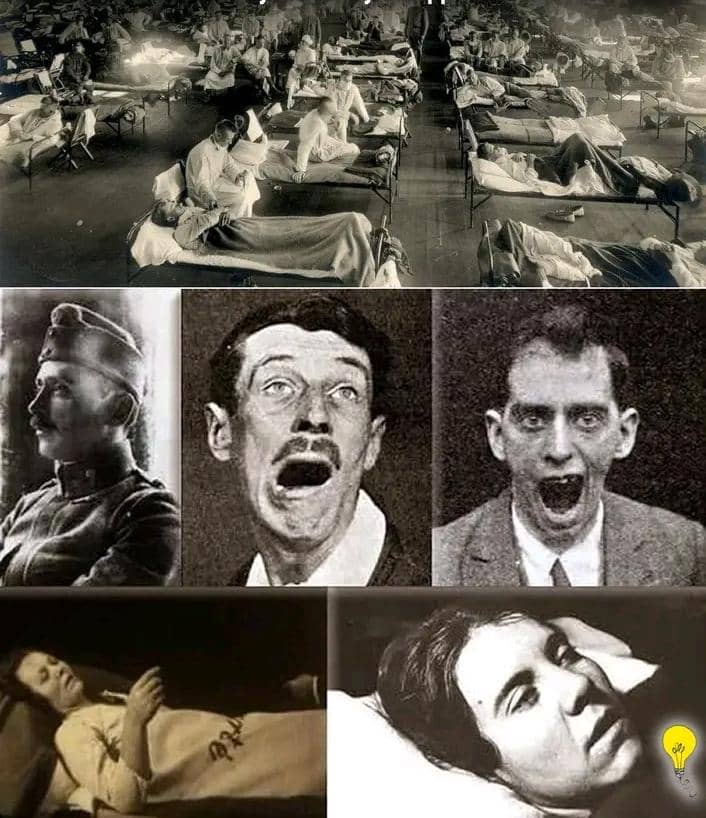
Between 1915 and 1926, the world was gripped by a baffling and devastating illness that came to be known as encephalitis lethargica, or “sleeping sickness”. Spreading across Europe, North America and beyond, the disease emerged during a period already overshadowed by war and pandemic, yet it would leave a legacy all its own.
In its early stages, encephalitis lethargica appeared deceptively ordinary. Patients reported flu-like symptoms, including fever, sore throat and profound fatigue. For many, however, the illness soon took a far more disturbing turn. Victims developed double vision, slurred speech and severely slowed movements, before descending into an overwhelming and unnatural sleep.
In its most severe form, the disease left sufferers in a catatonic state, seemingly suspended between life and death. Unable to move, speak or respond, some remained conscious yet trapped within bodies that no longer obeyed them. For families and physicians alike, the condition was both terrifying and deeply perplexing.
The epidemic is estimated to have claimed more than half a million lives worldwide. Those who survived were often left with permanent neurological damage and never fully regained their former independence, living with profound physical and cognitive impairments.
Then, as mysteriously as it had appeared, encephalitis lethargica vanished. By 1926, new cases had all but disappeared. Despite decades of research, no definitive cause was ever identified, and no cure was found. The sudden disappearance of the disease remains one of the great unanswered questions in medical history.
Today, encephalitis lethargica is remembered as the forgotten sleeping epidemic — a chilling reminder of how vulnerable the human mind and body can be, and how thin the boundary is between wakefulness, consciousness and enduring silence.