National
El-Niño Risks: African Climate Journalists Called to Put Communities on Alert

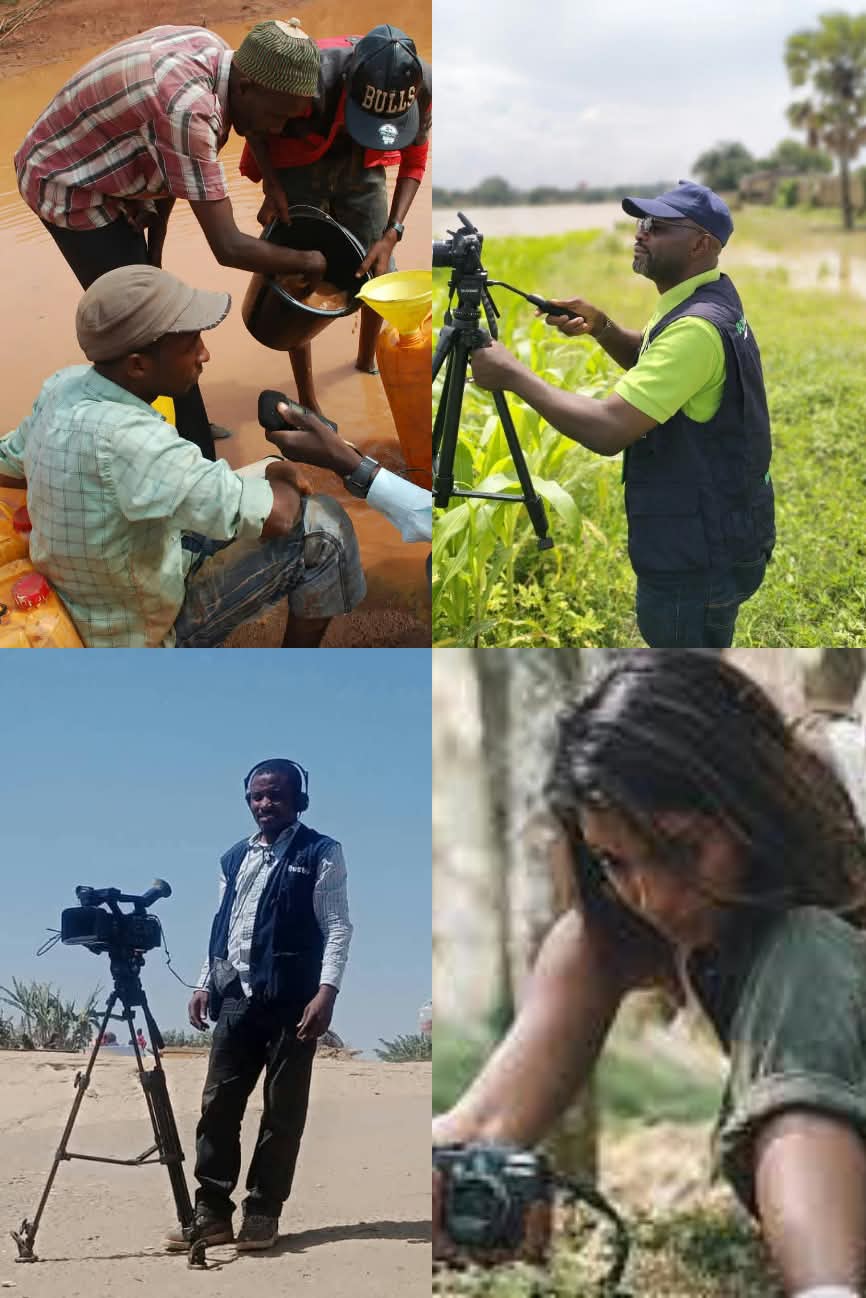
By Abdullahi Alhassan, Kaduna
African climate journalists have a critical responsibility to strengthen public awareness and help communities understand and prepare for the potential impacts of El Niño, Ibrahima Yakubu, Science and environment journalist, who is the Head of Communication and Strategies at African Climate Reporters, has said.
Yakubu said climate journalism should go beyond reporting extreme weather events after they occur, stressing the importance of early warning, public education and preparedness in reducing the risks posed by changing weather patterns across the continent.
“El Niño is a natural climate phenomenon and cannot simply be prevented, but communities can be better prepared for its possible impacts when they have access to timely, accurate and understandable information,” Yakubu said.
According to him, African climate journalists can play a significant role in translating scientific forecasts and early-warning information into practical messages that communities can understand and act upon.
He noted that the potential effects of unusual rainfall, prolonged dry conditions, extreme heat and flooding can have serious consequences for agriculture, water resources, public health, food security and livelihoods, particularly among vulnerable communities.
Yakubu urged journalists to work closely with meteorologists, climate scientists, agricultural experts, environmental organisations, emergency-management agencies and local communities to ensure that climate reporting is based on credible information and addresses the realities faced by people on the ground.
He also called for increased climate reporting in African indigenous and local languages, noting that effective early-warning communication should reach farmers, women, young people, pastoralists and other vulnerable groups who may have limited access to technical climate information.
“Climate information is only useful when people can understand it and know what action to take. Journalists must therefore make climate reporting accessible, practical and relevant to the communities they serve,” he said.
The Head of Communication and Strategies at African Climate Reporters further encouraged media organisations to invest more in climate journalism and provide journalists with opportunities to acquire specialised knowledge in climate science, disaster-risk reduction, environmental reporting and early-warning communication.
He also warned against the spread of misinformation surrounding El Niño and climate-related disasters, urging journalists to verify information before publication and rely on credible scientific and meteorological sources.
Yakubu stressed that climate journalism should not focus solely on the destruction caused by floods, droughts, heatwaves and other extreme weather events, but should also highlight solutions, preparedness measures and successful community responses.
“Every climate story should leave the public with a better understanding of the risk and, where possible, practical knowledge about how to prepare. Our responsibility is not only to report what is happening but also to help communities understand what it means for their lives and livelihoods,” he added.
He said stronger collaboration between journalists, scientists, government institutions, civil society organisations and local communities would improve climate-risk communication across Africa.
Yakubu maintained that well-informed communities are better positioned to respond to climate risks, protect their livelihoods and strengthen resilience.
He therefore called on African media organisations and climate journalists to place climate-risk communication at the centre of public-interest journalism, particularly during periods when climate forecasts indicate heightened risks.
“Climate journalism must become a bridge between scientific knowledge and community action. By reporting early, reporting accurately and reporting in ways people can understand, African journalists can help communities prepare, adapt and build resilience in the face of climate risks,” Yakubu said.